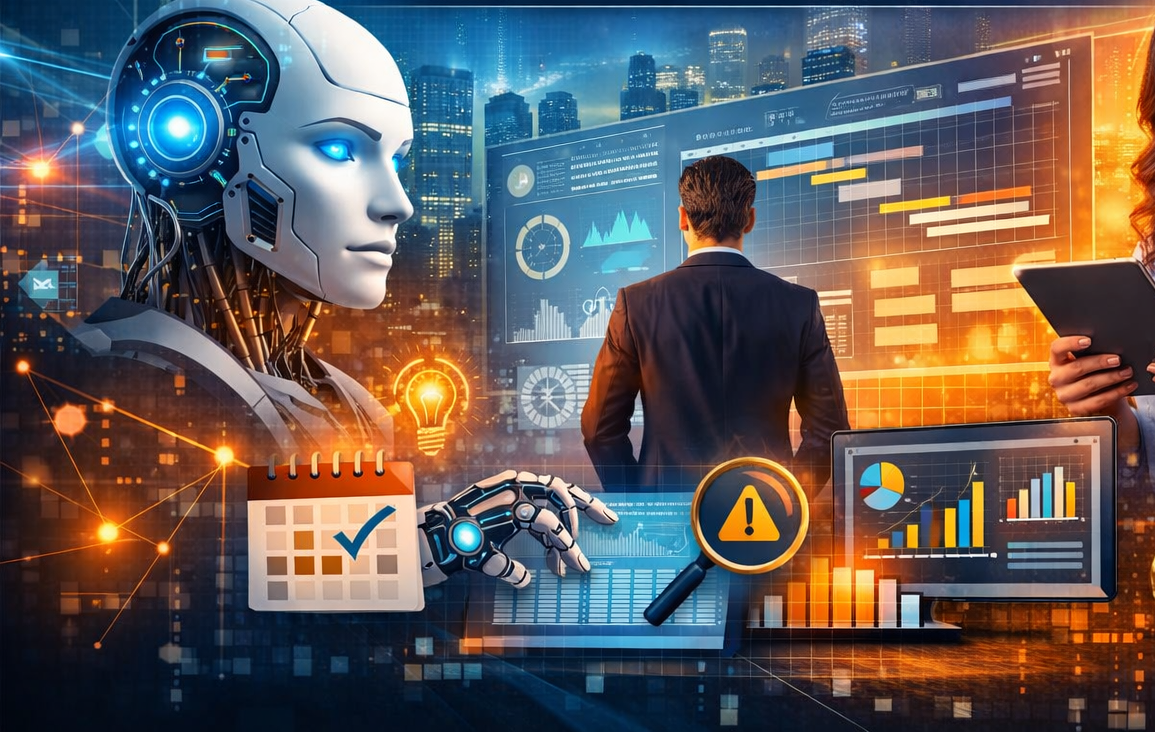


In today’s fast-paced and highly competitive job market, businesses are constantly seeking innovative ways to streamline their HR processes, from recruitment to ongoing management. Technology has emerged as a game-changer in this regard. It not only expedites the recruitment process but also facilitates effective human resource management. In this article, we will explore how technology can revolutionize HR practices, making them more efficient and effective.
Technology has revolutionized the recruitment process, making it faster and more accurate. Applicant Tracking Systems (ATS) can screen resumes, match candidates to job descriptions, and even conduct initial interviews through chatbots or video interviews. This significantly reduces the time and resources required for the initial phases of recruitment.
For example, multinational corporations like IBM use AI-powered chatbots for their initial candidate screenings. This technology enables HR teams to assess a candidate’s suitability for a role by asking a series of pre-defined questions, effectively shortlisting candidates before human intervention.
Modern technology offers opportunities to provide a seamless and positive experience for job seekers. Employers can use their websites and social media platforms to engage with potential candidates. In addition, chatbots and virtual assistants can provide quick responses to candidate queries, ensuring they remain engaged and well-informed throughout the hiring process. For instance, tech giant Google uses its website and AI-driven chatbots to answer frequently asked questions, guiding potential candidates through the application process. This approach enhances the candidate experience and creates a positive impression of the company. Beyond recruitment, technology can assist in managing HR functions effectively.
HR management software allows for the digitization of employee records, performance evaluations, payroll processing, and more. Cloud-based solutions enable HR personnel to access data from anywhere, ensuring smooth communication and collaboration. An example of this is Workday, a popular HR management software used by organizations like Amazon. Workday offers a comprehensive suite of HR solutions, streamlining employee management, payroll, and benefits administration.
Technology can simplify the onboarding process, making it more efficient and engaging. Web-based onboarding platforms provide new hires with access to training materials, policy documents, and interactive modules that facilitate their integration into the company. Zoom, for instance, not only provides video conferencing solutions but also offers webinars and virtual training tools that organizations can leverage to onboard and train their employees, regardless of their geographical location.
Technology provides HR professionals with the tools to collect and analyze data that can inform strategic decisions. With data analytics and predictive tools, HR teams can assess employee performance, identify trends, and make data-driven decisions regarding talent acquisition, development, and retention. For instance, global consulting firm Deloitte uses data analytics to gain insights into employee engagement and performance. By analyzing data from surveys and various HR software, they can make informed decisions about talent management and employee development.
The integration of technology into HR practices has the potential to revolutionize the recruitment and management of human resources. From automating the recruitment process to enhancing the overall employee experience, technology empowers HR professionals to be more efficient and data-driven. As organizations continue to embrace these advancements, they will not only reduce administrative burdens but also improve decision-making and, ultimately, foster a more engaged and productive workforce.